
 The Standard Group Plc is a multi-media organization with investments in media
platforms spanning newspaper print
operations, television, radio broadcasting, digital and online services. The
Standard Group is recognized as a
leading multi-media house in Kenya with a key influence in matters of national
and international interest.

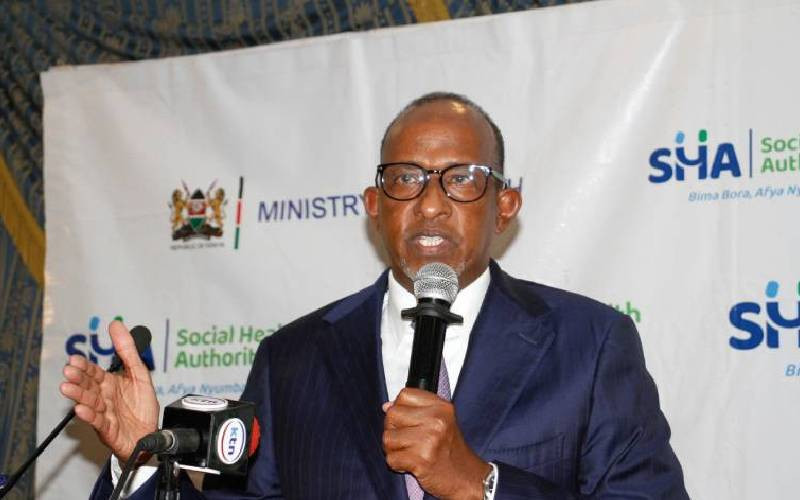
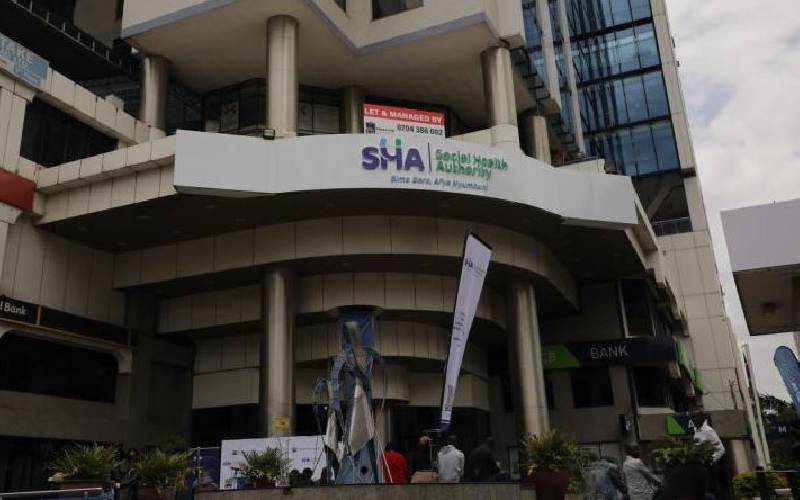
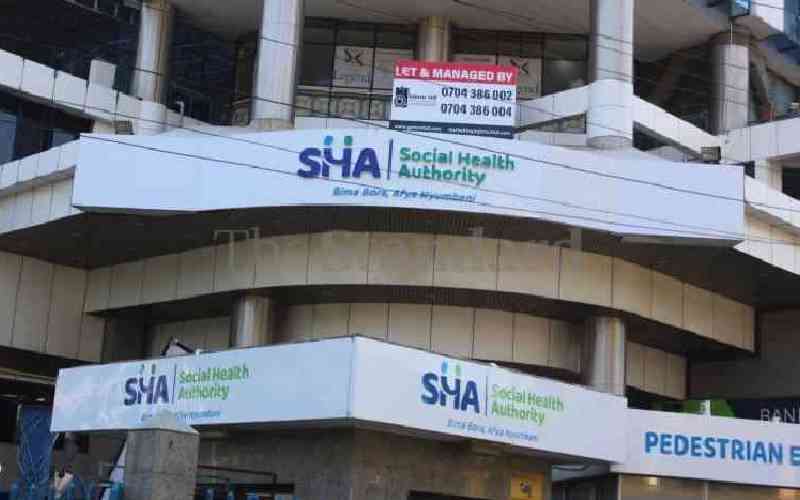
The National Treasury has released Sh4 billion to the Social Health Authority (SHA) to pay health facilities under the Primary Healthcare Fund, following delays that have left some facilities without payments for four months.
Health Cabinet Secretary Aden Duale announced the disbursement during the opening of the third Nairobi County Health Scientific Conference, saying the money would be used to settle outstanding payments to dispensaries and health centers across the country.
Duale said he had been informed that some facilities had not received their primary healthcare payments for four months, raising concerns over the sustainability of services under the government's universal health coverage programme.
“I had seen last week they had not paid the primary care fund for four months but as of yesterday SHA has received Sh4 billion to pay you, the health workers,” he said.
He clarified that the Sh4 billion was for the entire country and would go towards the Primary Healthcare Fund, which supports services at dispensaries and health canters.
The announcement comes as the government pushes to expand enrolment under Taifa Care, with Duale saying 33.7 million Kenyans had registered with SHA, representing 70.1 per cent of the targeted population.
In Nairobi, three million people out of a target population of 4.3 million had registered, representing 69.3 per cent.
However, the Health CS acknowledged that expanding registration must be accompanied by adequate financing, medicines, equipment and a motivated healthcare workforce if the reforms are to translate into better services.
- How I rose above seizures to build a digital brand
- Naivasha witnesses spike in ENT infections linked to flower farms
- MPs call for overhaul of cancer treatment access and funding
- Kenya, African leaders reject free use of pathogen data by developed states
Keep Reading
“Registration is not the beginning of sharing. Our next phase in Taifa Care, plus three things, which Nairobi must reach is contribution, that's still a fund. Because Taifa Care is built on solidarity,” he said.
Duale said SHA was collecting between Sh12 billion and Sh16 billion monthly, while the government had mobilised approximately 210 billion shillings in domestic health financing since the authority began operations in October 2024.
He challenged county governments to strengthen primary healthcare networks, saying these were the first point of contact between Kenyans and the health care system.
He also called for increased investment in healthcare workers, warning that infrastructure and medical equipment alone would not guarantee quality services if the personnel responsible for delivering care were demotivated.
“If you have the medicines, you have the machines, but the healthcare workforce is not motivated, you cannot achieve what you want,” he said.
Nairobi Governor Johnson Sakaja, who also addressed the conference, said health facilities in the county were beginning to benefit from increased funding under SHA, with some reporting significant growth in revenue.
He cited Riruta Health Centre, whose annual revenue previously stood at Sh100,000 but had grown to approximately Sh6 million monthly, while Kayole two Health Centre had also increased its monthly revenue to about Sh6 million from Sh200,000.
Sakaja, however, cautioned that increased revenue should translate into better services rather than become an end in itself.
“A public hospital is not a business whose primary purpose is to make money. Its purpose is to serve,” he said.
He said the additional resources should enable facilities to purchase medicines, improve diagnostics, maintain equipment and provide better services to patients.
The governor also called for stronger accountability in implementing recommendations from the annual scientific conference, proposing a structured mechanism to track resolutions and link them to county policies, legislation and budgets.
He said the county would use next year's conference to assess what had been implemented from the recommendations made this year.
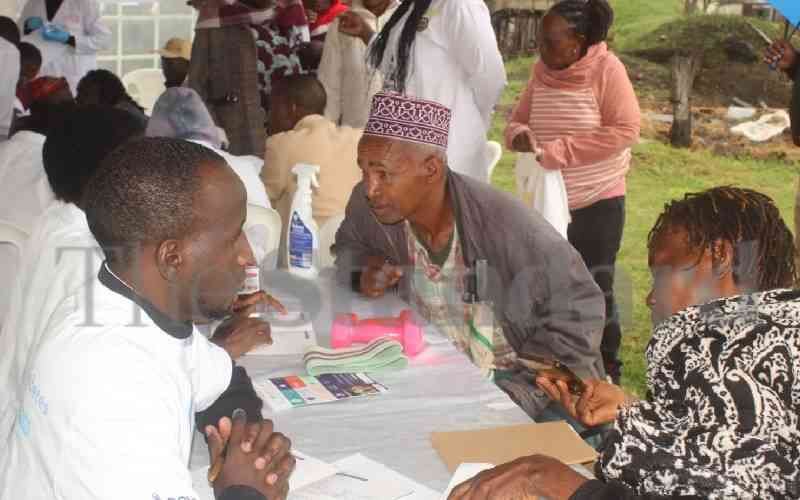
The conference brought together health professionals, researchers, development partners and policymakers to discuss building resilient, climate-smart and equitable health systems.







 join
