
 The Standard Group Plc is a multi-media organization with investments in media
platforms spanning newspaper print
operations, television, radio broadcasting, digital and online services. The
Standard Group is recognized as a
leading multi-media house in Kenya with a key influence in matters of national
and international interest.
The Standard Group Plc is a multi-media organization with investments in media
platforms spanning newspaper print
operations, television, radio broadcasting, digital and online services. The
Standard Group is recognized as a
leading multi-media house in Kenya with a key influence in matters of national
and international interest.

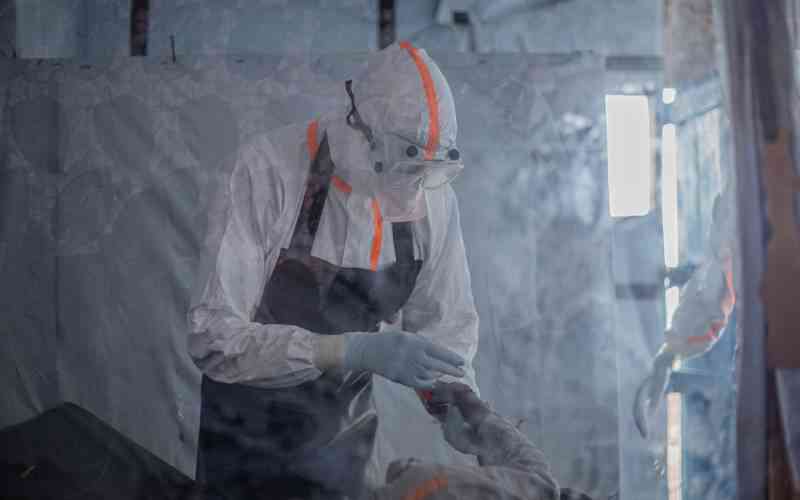
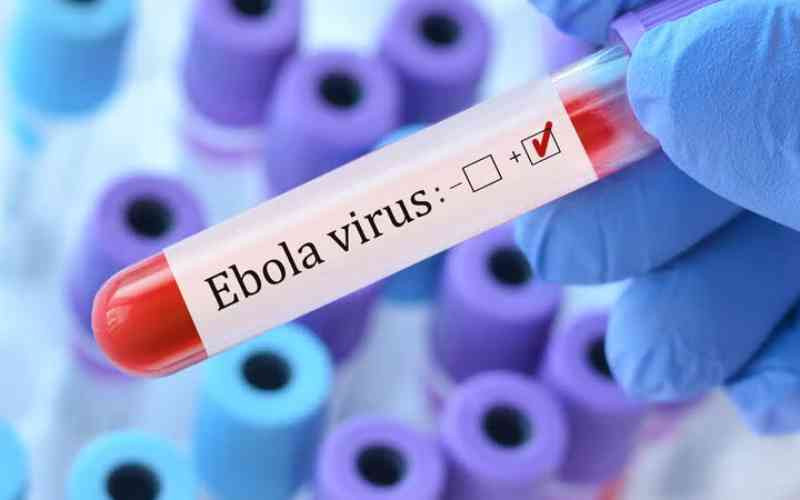
Healthcare workers have demanded representation in the national Ebola response task force and the supply of quality protective gear.
The health workers said they are key in Ebola preparedness and preventive plan.
They have warned that they will not risk their lives treating patients without adequate protective equipment and safe working conditions.
Through their unions, the workers say excluding them from preparedness planning undermines efforts to protect frontline staff and contain a potential outbreak.
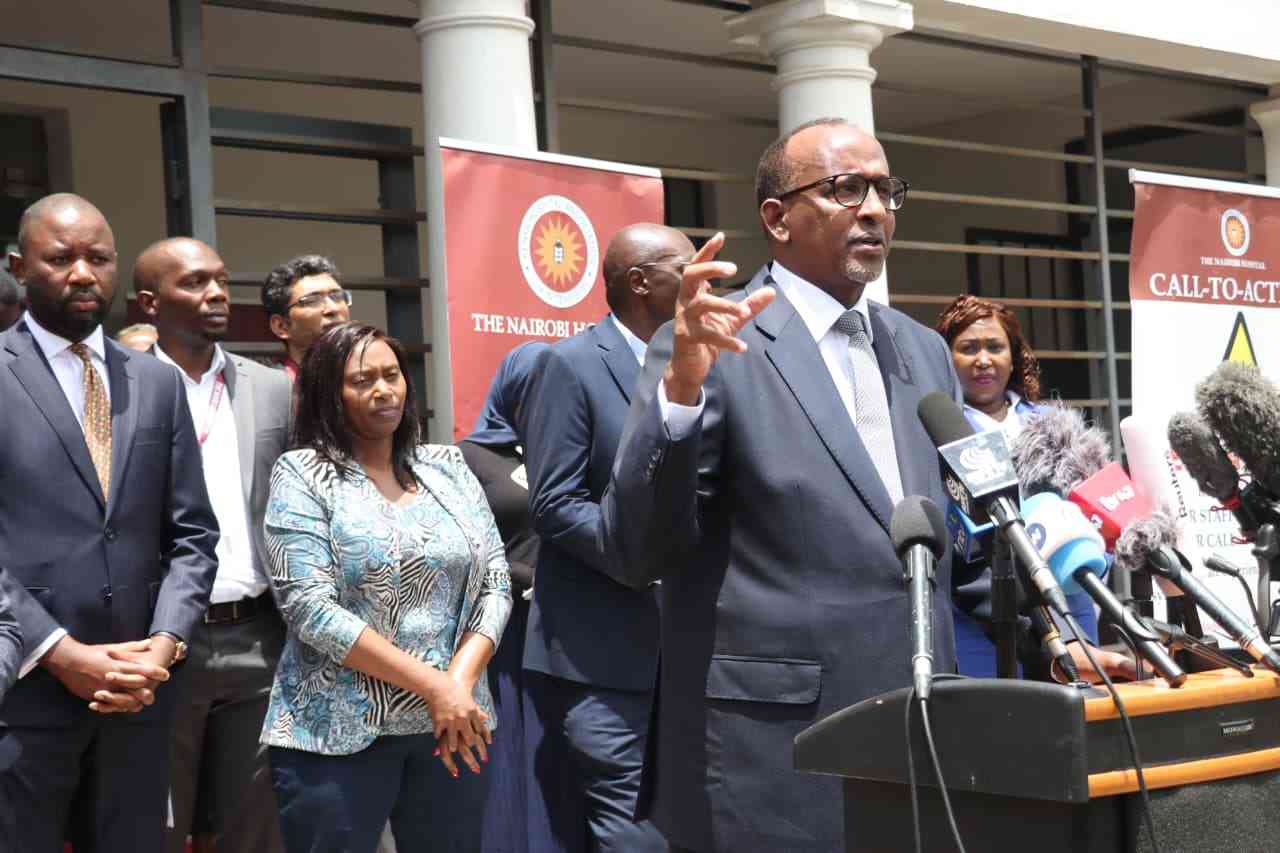
Kenya Medical Practitioners, Pharmacists and Dentists Union (KMPDU) Secretary General Dennis Miskellah said the absence of health workers unions from the taskforce raised questions about the government’s commitment to their safety. “Having no union involved in the taskforce is already an alarm,” said Miskellah.
He said involving healthcare workers would allow them to scrutinise the quality of personal protective equipment (PPEs), isolation units and quarantine facilities before they are deployed.
- WHO declares international emergency as Ebola kills over 80 in DR Congo
- Duale: No Ebola in Kenya as DRC outbreak kills 88, reaches Uganda
- Duale: Three suspected Ebola cases tested negative, surveillance upped
- WHO warns of rising Ebola threat as Kenya tightens response efforts
Keep Reading
“Even if they exclude us, our members will always report to us if they are given substandard PPEs," said Miskellah, adding that isolation units or quarantine facilities should also be of standard.
"If anything substandard is issued to our members, this time round, we shall call them to down tools,” he said.
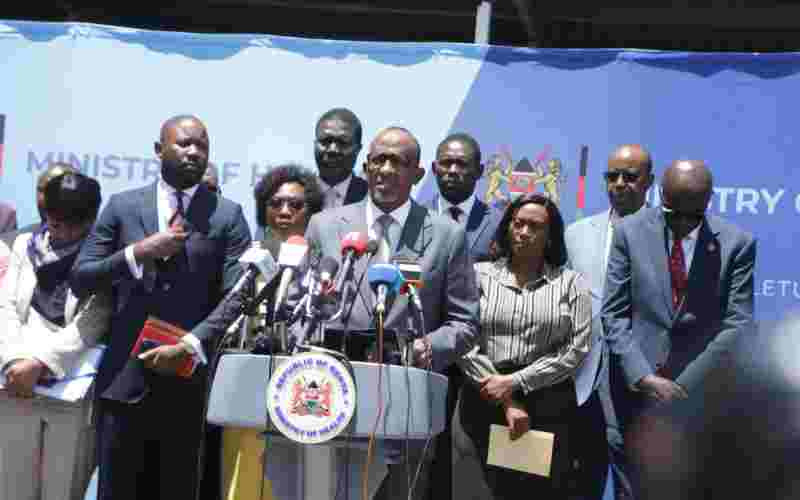
The warning comes as Kenya strengthens its preparedness for Ebola, with the establishment of the national Ebola virus disease preparedness and response taskforce.
The taskforce is mandated to coordinate surveillance, laboratory capacity, infection prevention and control, risk communication, case management and cross-border collaboration.
The taskforce brings together government ministries, departments and agencies, county governments, development partners and security agencies.
Technical experts is also part of the team coordinating the national response and mobilise resources.
But Miskellah said preparedness must go beyond setting up committees, insisting that frontline workers must be protected before being deployed to respond to an outbreak.
“The moment a healthcare worker dons PPEs, they assume someone has cared for their safety. As KMPDU, we want to see those PPEs. We shall check them,” said Miskellah.
The KMPDU official warned that doctors will down their tools if they will be exposed to unsafe working conditions or inadequate protective equipment.
Miskellah said healthcare workers had learnt painful lessons during the Covid-19 pandemic, when dozens of medical professionals died while responding to the outbreak.
During Covid-19, healthcare workers sacrificed their lives, but they begged just to be absorbed, while governors did not give a hoot. "This time round, we shall not burn ourselves,” he added.
Miskellah said healthcare workers should not be expected to risk their lives without adequate protection, medical cover and timely salaries.
“No healthcare worker, especially a doctor, will die for a country that is not ready to take care of them. You have no medical cover, get out of that hospital. Lack of salaries, get out of that hospital,” he warned.
He equated deploying health workers without adequate protection to "sending soldiers into battle with faulty weapons and bulletproof vests that cannot stop bullets".
“You cannot send a soldier to the battlefront knowing you have not given them quality equipment. We cannot allow a situation where healthcare workers are sent to the frontline knowing that PPEs are substandard,” he said.
Miskellah called for greater transparency in the response, saying healthcare workers must be involved at every stage of preparedness.
“If they want to involve us, let them call us into that taskforce so that in every step, there is transparency. We are not fighting, but we need to work together to get out of this mess safely, so that we can go back to our lives and build our country,” he said.
“There is no us and them. We need to work together. Anybody sitting there thinking we are a bother, we shall not permit that.”
Public Health Officers Union Secretary General Brown Ashira said Kenya must address staffing shortages as part of its Ebola preparedness plan.
Ashira said containing the disease would require teamwork and a coordinated response, with public health officers playing a critical role in surveillance, infection prevention and control, and safe burial practices.
He urged the government to recruit more healthcare workers to strengthen surveillance without disrupting routine health services.
“We need to bridge the shortage we are having in the health sector ahead of an anticipated epidemic,” said Ashira.
“In the eventuality that we record more cases, extra hands will be required to attend to patients who need routine care while others focus on containing Ebola,” he added.
Ashira also called for community health promoters (CHPs) to be trained to identify and report suspected cases early.
Their work at household level, he said, places them in a strategic position to alert health authorities and support a faster response.
His remarks come as public health officers remain on strike, with the industrial action having lasted more than two months.
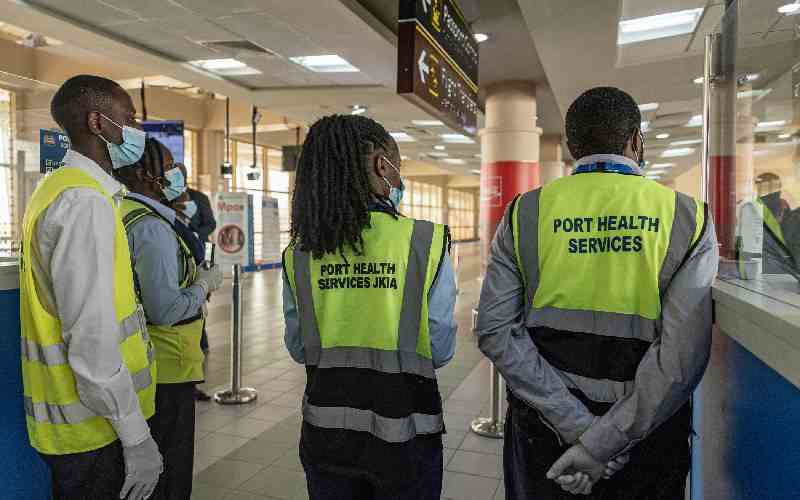
Miskellah also faulted the government for failing to address longstanding staffing gaps at points of entry, saying health workers had repeatedly raised concerns but were told that recruitment had been frozen by the Public Service Commission (PSC).
He warned that failure to invest in preparedness before an emergency strikes could leave the country scrambling to respond when lives are already at risk.
“You cannot put a price on human life. You do not fail to act, then when a disaster comes, you run around like a headless chicken, wanting to put things in place,” said Miskellah.
The union official questioned why the government had not mobilised experienced healthcare workers who helped contain Ebola outbreaks in West Africa to support national preparedness.
The laxity he said gas beeb there despite Democratic Republic of Congo (DRC) having been battling an outbreak since May.
“By now, we should be having a team of infectious disease experts deployed across the country. It is only the media calling them to share their experiences. The government is following this on the media, like any other audience, instead of bringing them into those taskforce committees,” he regretted.
At the same time, he urged the government to honour healthcare workers who died during the Covid-19 pandemic and ensure their sacrifices were not repeated.
“Nobody leaves home to go and die at their workplace. We took an oath to take care of our patients. The risks are there, but let us not intentionally walk into a dangerous space," said Miskellah.
"Let us protect ourselves and, if we are in a space where we could be exposed, walk away. Do not risk your life,” he added.
On his part, Prof Omu Anzala, director of the Kenya AIDS Vaccine Initiative at the University of Nairobi, said hospitals and isolation centres must be equipped with appropriate protective gear.
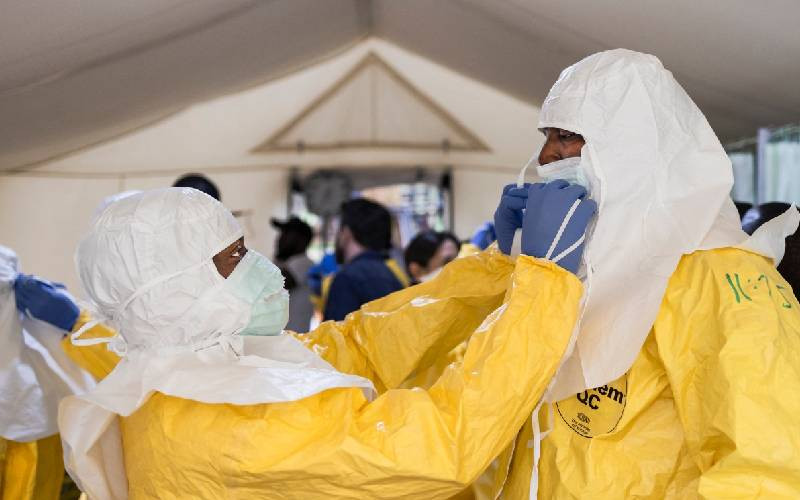
The virologist added that healthcare workers must also be trained to use PPEs correctly.
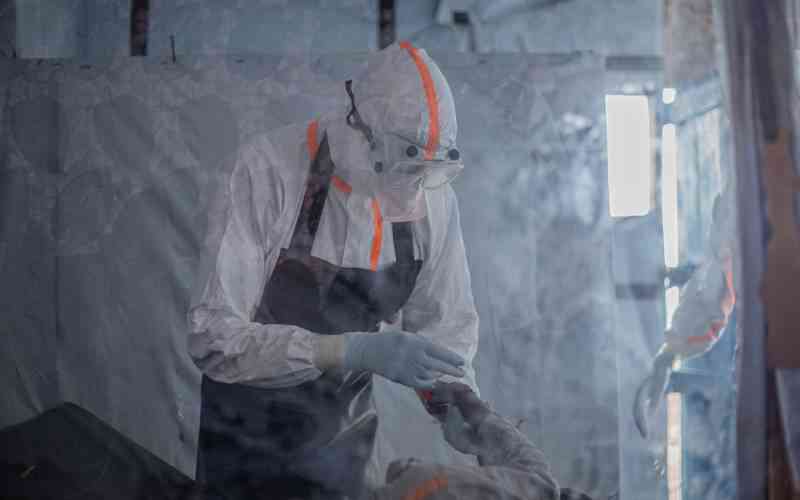
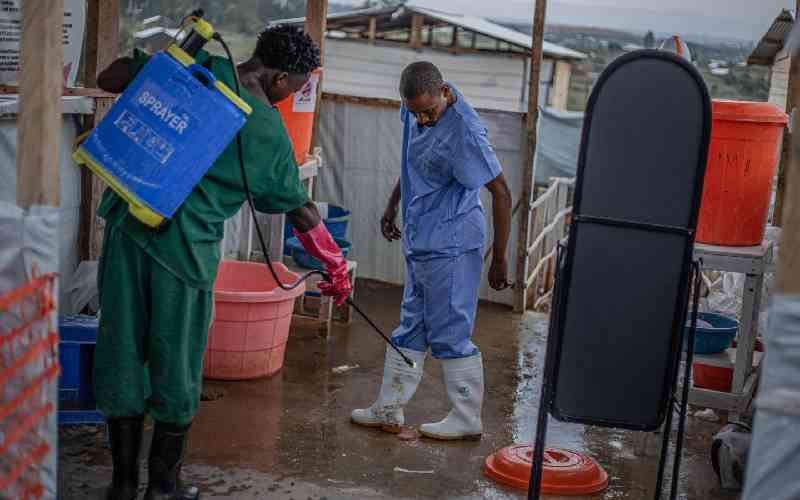
He said the equipment should include fluid-resistant coveralls or impermeable full-body gowns, double gloves, appropriate respiratory protection, full-face shields and head and neck coverings.
Healthcare workers should also have waterproof footwear and boot covers. Aprons should be worn over coveralls when treating patients experiencing vomiting or diarrhoea, he said.
Anzala said training was equally critical, particularly for staff handling blood samples and other potentially infectious bodily fluids.
“Training is critical because health workers are involved in procedures such as drawing blood. They must know how to do this safely, wear the correct protective gear and avoid contact with patient secretions,” he said.
Because Ebola spreads through direct contact with the bodily fluids of infected people, healthcare workers face significant risks when caring for patients.
Anzala said staff must also be trained to remove contaminated protective equipment safely and decontaminate themselves before leaving isolation areas. “A patient may vomit or release infectious fluids, which can easily come into contact with the eyes, face or skin if proper precautions are not observed,” he said.
He noted that healthcare workers had been among those infected and killed during previous Ebola outbreaks, including in DRC. “Most people, for instance, in DRC who were infected with the disease are healthcare providers,” said Anzala.




 join
join