×

The Standard e-Paper
Home To Bold Columnists
 The Standard Group Plc is a
multi-media organization with investments in media platforms spanning newspaper
print operations, television, radio broadcasting, digital and online services. The
Standard Group is recognized as a leading multi-media house in Kenya with a key
influence in matters of national and international interest.

Audio By Vocalize
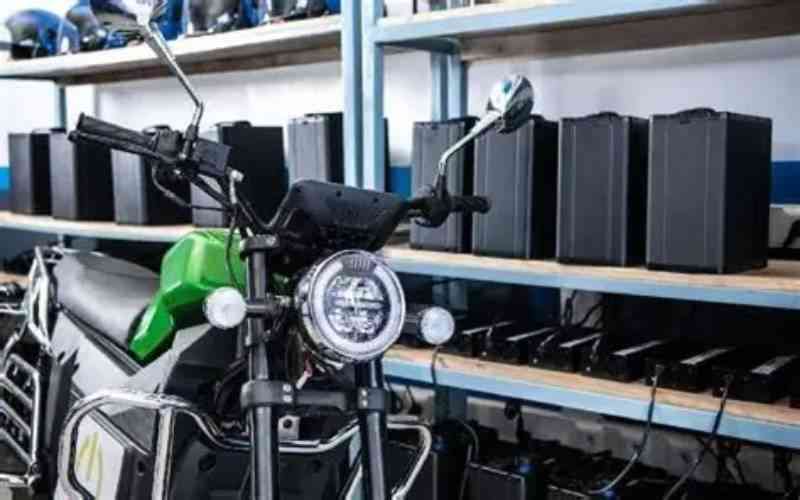
One of Spiro's automated battery swap stations. [Courtesy]
The growth of electric mobility across Africa is creating opportunities in transport, delivery and logistics, although women remain underrepresented in an industry where motorcycles are a major source of employment and income.
Access to vehicles, affordable financing, technical skills and commercial networks are among the areas that can determine whether women are able to enter the sector as professional riders or establish their own businesses.
Expanding their participation will therefore require more than providing motorcycles, with access to training and customers also playing a role in building sustainable businesses.
To match this growth, Spiro, an electric mobility company and pan-African entrepreneurship firm Entrepreneurial Solutions Partners (ESP) have unveiled a new initiative that seeks to increase women’s participation in the sector, starting with a pilot programme in Rwanda targeting 500 participants. The partnership aims to support 5,000 women across Africa by 2030.
Launched yesterday, the Women in E-Mobility programme will combine practical motorcycle riding and road safety training with financial literacy, digital skills and entrepreneurship support.
Anant Badjatya, Group chief executive officer of Spiro, said the initiative was intended to help women benefit from the economic opportunities emerging from the shift towards electric transport.
“Electric mobility is creating new economic opportunities across Africa and we want more women to be part of this transformation. Through this programme, we are giving women the tools to become professional drivers, build their own businesses and generate income. Our ambition is to encourage a new generation of women entrepreneurs who will help shape the future of mobility on the continent,” he said.
Participating women will have access to affordable financing, including lease-to-own arrangements, to acquire Spiro electric motorcycles and use its battery-swapping network. The programme will also connect them with ride-hailing, delivery and logistics platforms to help them secure customers and develop their businesses.
The initiative comes as women remain poorly represented in Rwanda’s transport industry. According to the programme’s organisers, women account for just four per cent of transport workers in the country. A 2025 study in Kigali, however, found that 47.7 per cent of women surveyed would consider becoming motorcycle taxi drivers, pointing to potential interest in the sector.
Eric Kacou, Co-founder and CEO of ESP, said access to a motorcycle alone would not guarantee that women could establish viable businesses.
“For women entrepreneurs, having access to a motorcycle is only the first step. Building a successful business also requires skills, financing, customers and ongoing support. By combining ESP’s entrepreneurship expertise with Spiro’s electric mobility ecosystem, we want to create practical and sustainable economic opportunities for women,” he said.
The programme began in October, with the first 50 women being trained. They form the first cohort of the Rwandan pilot project, which will be used to assess participants’ progress, income generation and business performance before expansion to other African markets.
Kenya is among the countries where Spiro has established operations, including motorcycle assembly facilities. The company also operates in Uganda, Nigeria and Rwanda, although the partners have not announced a specific timeline for introducing the women’s programme in Kenya.
The planned expansion will take place progressively between 2027 and 2030 in other African countries where Spiro operates. The partners are seeking development finance institutions, impact investors, governments and commercial partners to support access to financing, training and commercial opportunities.
Stay informed. Subscribe to our newsletter
Spiro operates in seven African countries, with more than 156,000 electric motorcycles and over 2,500 battery-swapping stations, according to the company. ESP, which operates across 28 countries, says it has supported more than 12,900 micro, small and medium-sized enterprises, contributing to 43,153 direct jobs and unlocking 104.5 million US dollars in access to finance.





Subscribe to our newsletter and stay updated on the latest developments and special offers!