×

The Standard e-Paper
Fearless, Trusted News
 The Standard Group Plc is a
multi-media organization with investments in media platforms spanning newspaper
print operations, television, radio broadcasting, digital and online services. The
Standard Group is recognized as a leading multi-media house in Kenya with a key
influence in matters of national and international interest.
The Standard Group Plc is a
multi-media organization with investments in media platforms spanning newspaper
print operations, television, radio broadcasting, digital and online services. The
Standard Group is recognized as a leading multi-media house in Kenya with a key
influence in matters of national and international interest.

Audio By Vocalize
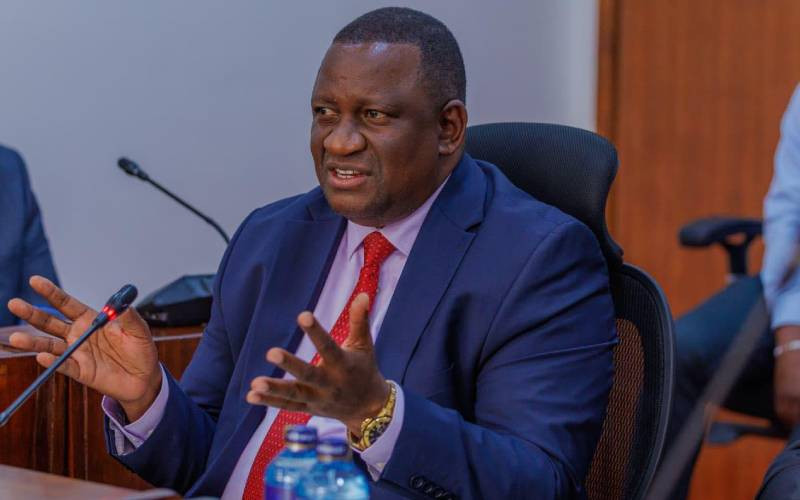
The Senate Standing Committee on Roads, Transportation and Housing has raised tough questions over the Sh45.8 billion Talanta Stadium project.
The Ministry of Youth Affairs, Creative Economy and Sports was at pains to explain procurement procedures, rising construction costs and land ownership documentation.
The multi-billion-shilling stadium, which is being constructed ahead of the 2027 Africa Cup of Nations (AFCON), came under scrutiny during a heated session between Senators and officials from the Sports Ministry led by Cabinet Secretary Salim Mvurya.
At the centre of the inquiry was the sharp increase in the project’s cost from an initial estimate of Sh34.6 billion to Sh45.8 billion, a difference of more than Sh10 billion that Senators demanded to be explained.
“We need the Cabinet Secretary to explain why the construction cost moved from 34 billion shillings to 45 billion shillings,” said Marsabit Senator Mohamed Chute.
The Talanta Stadium project, which broke ground in March 2024, is expected to become Kenya’s flagship sporting facility and one of the venues for AFCON 2027, which Kenya will co-host alongside Uganda and Tanzania.
The tournament has placed pressure on the government to complete key sports infrastructure within strict timelines set by the Confederation of African Football (CAF).
Senator Chute insisted that proper documentation and correspondence should have been in place before the commencement of the project.
“There must be a correspondence between the contractor and the government, before we start a project, we need to know what is the estimated cost of construction of the stadium,” he said.
Defending the project, CS Mvurya insisted that there had been no variation in the contract sum and attributed the difference between the initial estimate and the final contract price to taxes, import duties and levies that had not been included in earlier projections.
“The contract was signed for Sh45 billion and there was no variation,” said Mvurya.
He further assured Senators that the stadium would be completed on schedule.
“CAF has given us a report on what we need to do to make it better. We are launching the Talanta Stadium in August this year and it will be accessible to Kenyans,” he said.
The committee, chaired by Migori Senator Eddy Oketch, however questioned the justification for the additional costs, arguing that taxes and VAT should ordinarily be factored into the overall project budget.
“The cost of construction of the stadium should include VAT, the variation of 10 billion shillings is too high,” said Oketch.
Stay informed. Subscribe to our newsletter
Laikipia Senator John Kinyua also questioned the decision by the ministry to use direct procurement instead of open tendering in awarding the contract to China Road and Bridge Corporation.
“Why was there a variation of 10 billion shillings, why did the ministry do direct procurement for the stadium,” posed Kinyua.
The Ministry defended the use of direct procurement, saying the project required specialized expertise and urgent execution to meet AFCON timelines. Officials told Senators that all approvals, including clearance from the Attorney General’s office, had been secured before the contract was awarded.
Questions also emerged over the ownership status of the land where the stadium sits. Senator Oketch demanded clarification on whether the title deed was available and if the acquisition cost had been captured in government records.
“Where is the title deed of the Talanta Stadium and is the acquisition cost reflected in the balance sheet?” asked Oketch.
Sports Principal Secretary Elijah Mwangi defended the initial estimates, saying they had been prepared by consultants from the University of Nairobi.
“We don’t have a variation on this project, the estimated cost was done by University of Nairobi. The consultant gave us the initial cost of Sh34.6 billion,” said Mwangi.
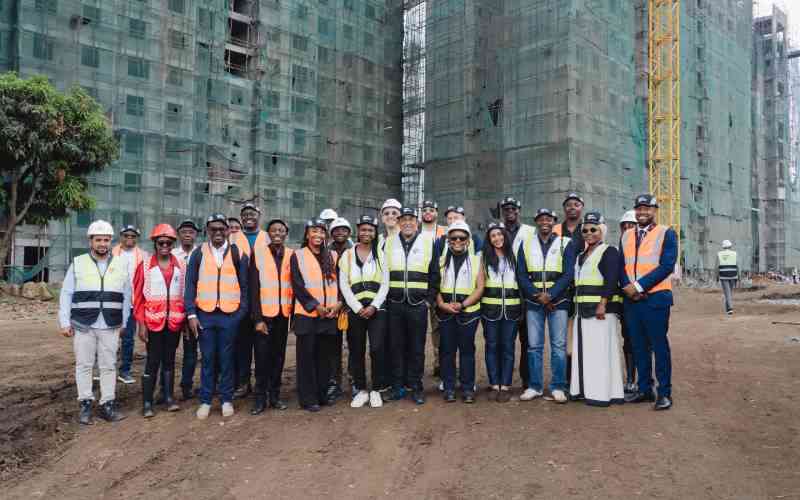
The Ministry said the stadium is currently at 87 percent completion, with major milestones already achieved including the concrete superstructure, installation of the steel curtain wall and roofing works.
Once complete, the 60,000-seater facility will include training pitches, parking bays and water features, positioning it as one of the most modern sports complexes in the region.




Subscribe to our newsletter and stay updated on the latest developments and special offers!







 join
join