×

The Standard e-Paper
Home To Bold Columnists
 The Standard Group Plc is a
multi-media organization with investments in media platforms spanning newspaper
print operations, television, radio broadcasting, digital and online services. The
Standard Group is recognized as a leading multi-media house in Kenya with a key
influence in matters of national and international interest.
The Standard Group Plc is a
multi-media organization with investments in media platforms spanning newspaper
print operations, television, radio broadcasting, digital and online services. The
Standard Group is recognized as a leading multi-media house in Kenya with a key
influence in matters of national and international interest.

Audio By Vocalize

As Kenya’s international trade volumes continue to grow and investments in the blue economy gather pace, industry experts are warning that businesses are exposing themselves to significant financial losses by failing to adequately insure cargo moving through global supply chains.
Despite Kenya importing goods worth more than Sh2.7 trillion annually, marine insurance penetration remains relatively low, creating what industry players describe as a major protection gap in the country’s trade ecosystem.
Speaking during a marine insurance forum in Nairobi, Britam General Insurance CEO James Mbithi said many businesses still underestimate the financial impact of disruptions along global supply chains.
“Today’s businesses face a complex risk environment that spans global supply chains, geopolitical uncertainty, digital vulnerabilities and climate related disruptions,” Mbithi said.
“Marine insurance is a critical business continuity tool that enables enterprises to move goods across borders with greater certainty and resilience.”
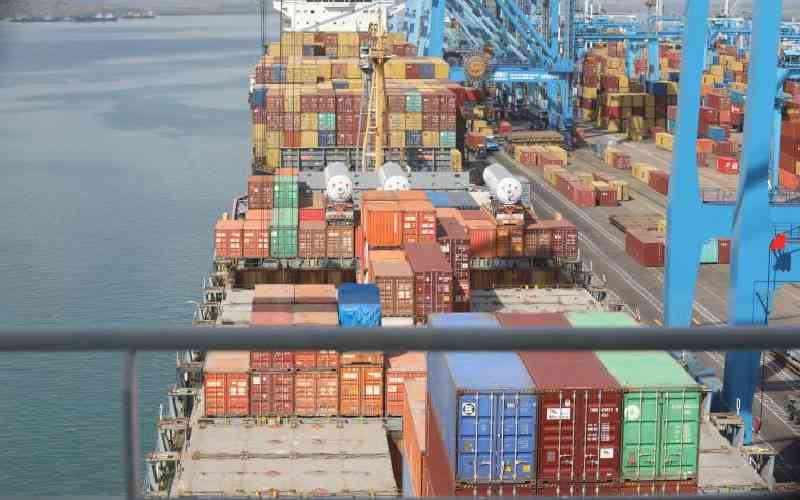
The Port of Mombasa, which serves as a major gateway for East and Central Africa, handles millions of tonnes of cargo annually. However, the movement of goods remains vulnerable to vessel collisions, fires, explosions, piracy, adverse weather, cargo damage and human error during loading, storage and transportation.
Industry analysts note that a single incident can result in losses running into millions, particularly for importers dealing in high-value goods such as machinery, electronics and industrial equipment.
Joe Kamomoe, Chief Executive Officer of MarinaiR Surveyors and Adjusters, said growing interconnectivity in global trade means disruptions in one region can quickly affect businesses elsewhere.
“A single disruption can have significant financial consequences as today’s businesses operate in an interconnected environment,” he said.
“Strong risk mitigation measures, supported by robust marine insurance coverage, are key for businesses seeking to protect assets and maintain operational continuity.”
To ensure increase uptake of marine insurance that could reduce importation risks, Insurance Regulatory Authority (IRA) has issued directives to have all imported goods insured by locally licensed insurance companies and the directives come to effect on July 1.







Subscribe to our newsletter and stay updated on the latest developments and special offers!








 join
join